
“Write what you know!”
Almost every ‘How To’ book on writing preaches this advice. For most non-fiction writers, this is sound advice usually is taken straight forward. Whether it is memoir, historical, How-to or any number of other topics, you should write about things that you know something about, are interested in or even want to know more about. It gives the reader a feeling of comfort knowing that the author isn’t just pulling information out of a hat.The author’s ‘expertise’ adds weight to the written words.
However, this advice can be very interesting advice when given to a fantasy fiction writer. Few of us routinely wield a sword or cast a magic spell. Fewer still have actually passed through a portal to find themselves in another realm where dragons, elves, wizards, and goblins walk the land. Most of the individuals that I have met who have taken the aforementioned journey are either sitting quietly in a catatonic state because they have left their material bodies behind. Or, they are unable to write about their journey because the medication they are given makes writing anything except their name difficult. So, how does a modern author use this advice and write about what they know?
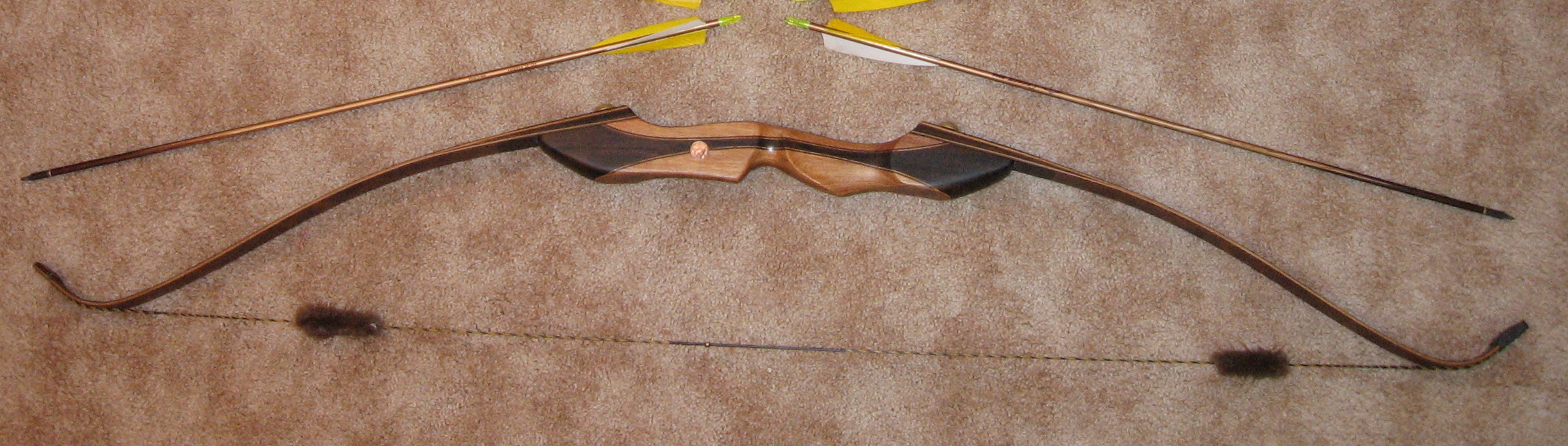
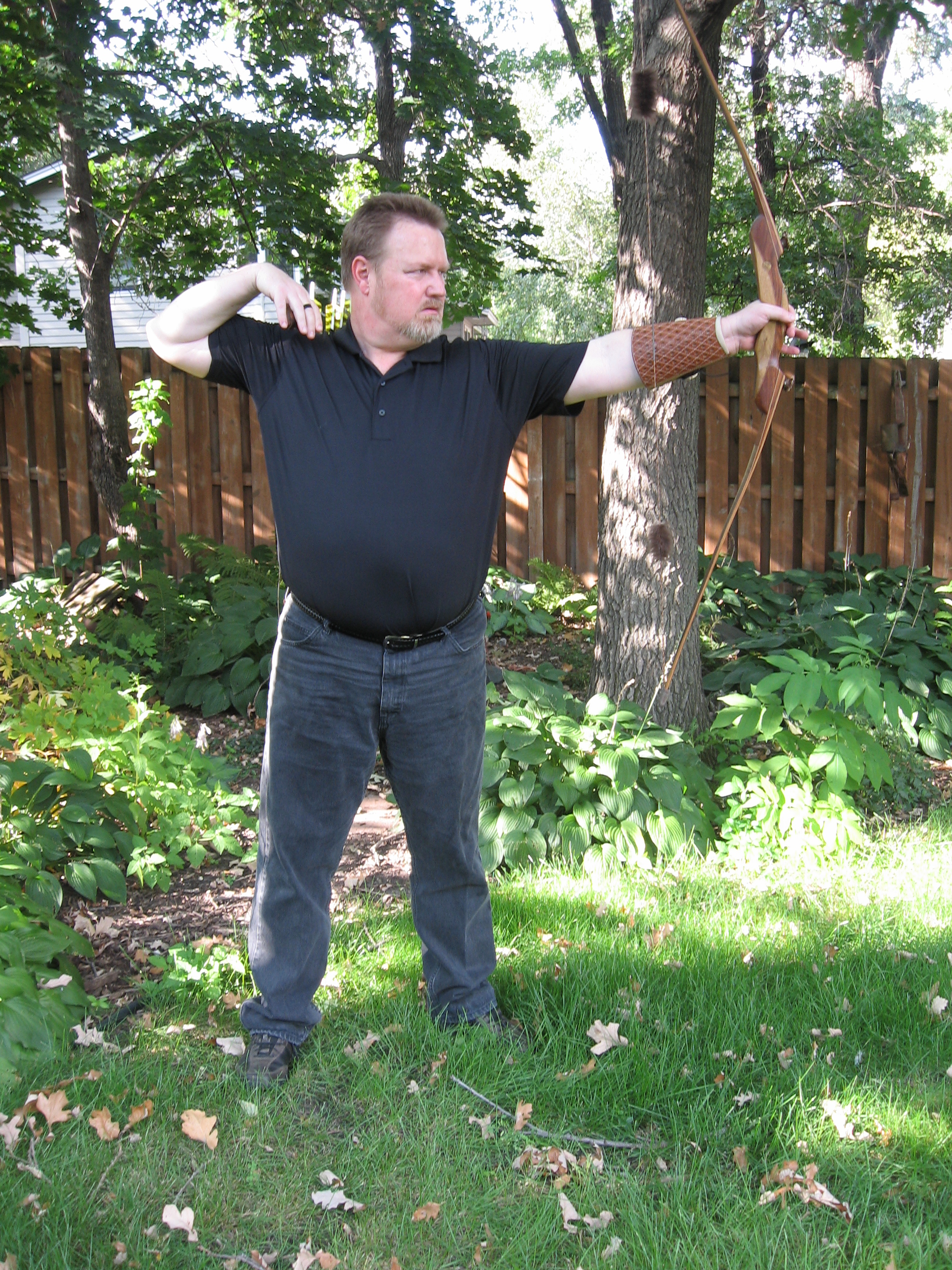
Fantasy is created in one’s imagination. So, having a vivid imagination is a standard prerequisite. Those of us whose teachers wrote on our report cards that we spent too much time staring out the windows daydreaming were pretty good candidates. However, to draw a reader into your fantasy story, there has to be some measure of reality. Something familiar. Maybe it’s making a campfire, baking a loaf of bread, riding a horse, dressing a wound, or bartering with a merchant at the local farmer’s market. These types of skills obtained in modern society, can be easily converted to a fantasy story and in doing so, bring a sense of realism to the reader, drawing them into your world. If you are lucky enough to have hobbies like, archery, martial arts, herbalist, camping, astronomy, Chemistry, or being some form of entertainer, you have real expertise in areas that can easily be incorporated into a fantasy setting. Your knowledge will, if used moderately and with skill, add authenticity to your world,
Another excellent source of knowledge for the fantasy writer is to have been immersed in a culture foreign to their own. Dealing with language, customs, food, clothing, and belief differences gives the writer unique insights and tolls to use when describing their world to the reader. Not only the differences themselves, but the feelings of having to deal with a foreign culture is a form of expertise that can be invaluable to the author.
If you still are not sure that you ‘know’ anything, here is an exercise to help you. Get a pad of paper and a pen, Give yourself 30 minutes to and hour of uninterrupted time. Write down things that you know about. Leave nothing out whether you think they can be related to your story or not. Start with your education. What did your like or do well at in school? What sports or social activities did you participate in? What did you do after school for fun? How did you fill your time during summer vacation? What did you do on the weekends? What do you do to relax, What do you do for fun? List places you have traveled to. What did you do there? What experiences did you have? What was the food like? Music? Dress? How did you feel being the outsider? What do you do for employment? Be specific and list tasks you perform. What are your hobbies? What are your chores around the house? By now you should be getting a very long list of things where you have some level of knowledge. Maybe even expertise. Keep this list handy and refer to it often to remind yourself that you do know something!
A very short list of my interests and knowledge base, that I use regularly when writing, includes: Cats, Native American Spirituality, Archery, knife-making, emergency medicine, herbal remedies, gardening, contingency planning, woodsmanship and fishing. My actual list filled two pages of a legal pad.
Now that you have determined that you do know something, look at the list and think about how you knowledge can be used to help strengthen your story. Maybe you need to add skills to one or more of your characters. Maybe you should add detail to your descriptions of scene.
NOTE: A word of caution! Adding too much detail about mundane tasks is a sure way to lose your reader. Remember that not everyone cares how many coals are required to bake peach cobbler in a cast iron dutch oven. (I seem to recall it was eleven on the bottom and seven on top. it has been a long time.)
Add just enough detail to add realism. If the details are important to your story then you have a little more leeway. Your beta readers or writing group can help you with how much is the right amount.
So, don’t be shy. Write about what you know. You know a great deal!
Let me know what you know. I’d love to hear it.


 Tales From The Hare