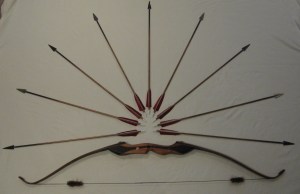
My blog, though small, receives a sizable number of views each week from the Traditional Archery community. This due to two articles that I had published in the now defunct Stick and String Magazine. This has been a pleasant and unexpected surprise as I started the blog to discuss writing. But, the power of social media took over and the Traditional Archery forums send me visitors every day. Nice!
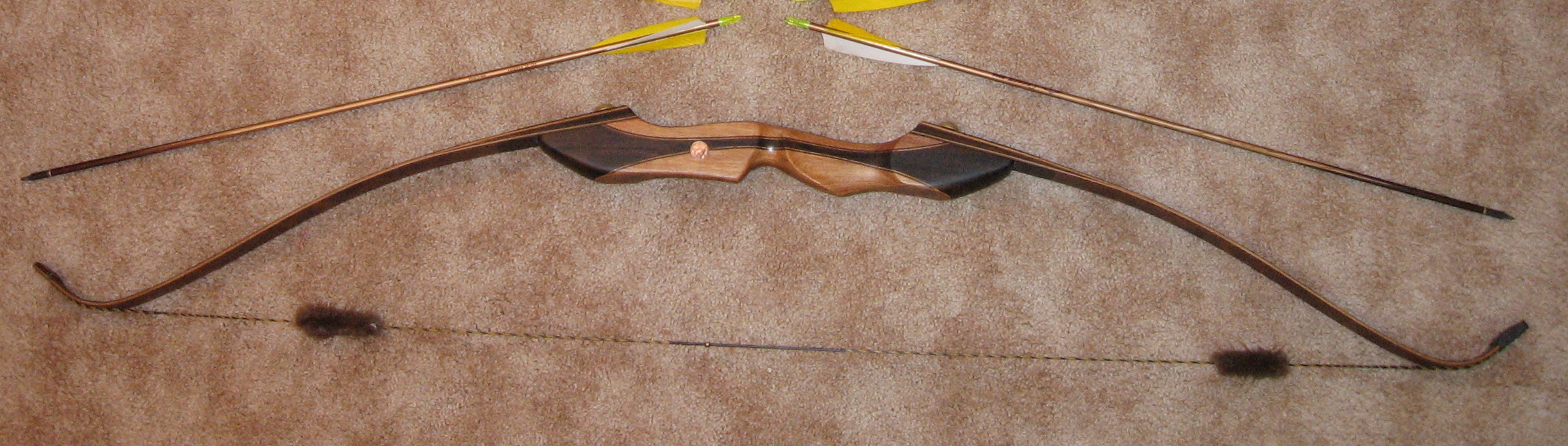
Most of those readers get here and, after reading those articles, look for additional archery information to read about. So, This will be the first of a series of posts relating to one of my other passions, “The mystical flight of the arrow”, traditional archery. Now please do not call me an archery snob. There is nothing wrong with compound bows or the people who choose to shoot them. I own two. I just like shooting my longbow and recurve bows more. Much of what I will discuss in my posts will translate for either traditional or compound shooters. So, let’s get started.
For years, I have had issues with my arrows impacting the target to the left of my aiming point regardless of the shot distance. This is not that uncommon for right-hand shooters. Now finger shooters who use sights will tell you to move you sight and that will fix the problem. Not necessarily. After much experimentation and a little reading, the problem became obvious. My eye was not in line with the arrow shaft. Using sights would make this adjustment somewhat easier. However, I shoot instinctively. In other words, i look at where I want the arrow to hit and my hands make the necessary adjustments. That’s the theory behind it. The reality of it is, like the golf swing or throwing a strike in baseball, there is a lot that goes into the perfect archery shot. Most critical is proper alignment of the body and sight picture.
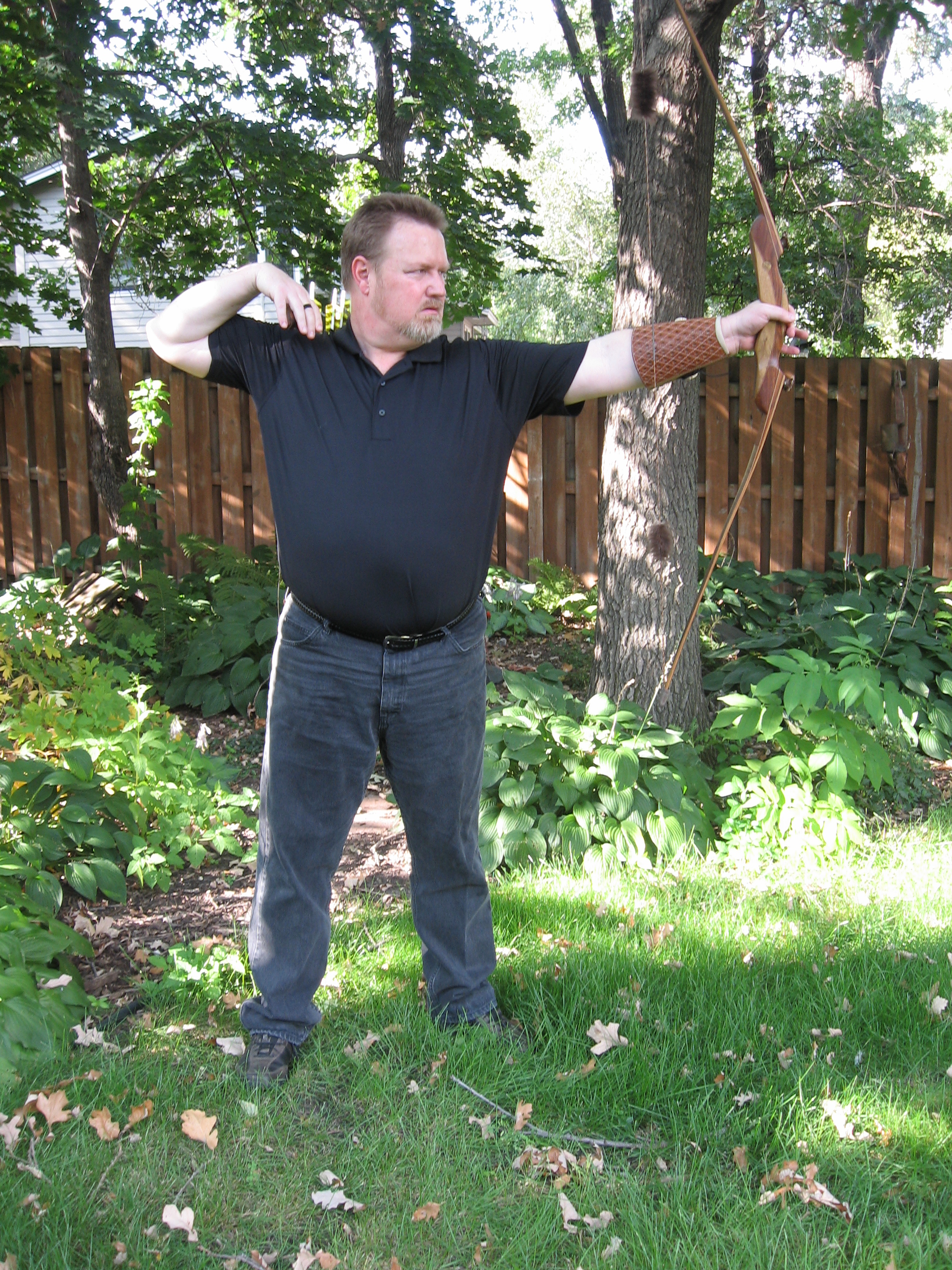
To ensure that the archer can repeat the same shot every time, anchor points are used. For example, growing up my father taught me that when I brought the bowstring to full draw, I should put the tip of my middle finger on my string hand at the corner of my mouth. This worked for him just fine. and He was quite successful as a bowhunter. That’s how I learned to shoot. Guess what?. Most of my arrows drifted to the left of my target. It wasn’t the right anchor point for me. Much later I began placing the first knuckle of my string hand at the point of my jaw bone, beneath my ear. This increased my draw length and improved the alignment of my shoulder to my bow arm. A nice straight line. To ensure I was always at the same location and that my hand was in proper position, I tucked my first finger into the point of my cheekbone. This gave me a nice two anchor position that I could repeat over and over again.
Arrows still went left. *grumble, grumble*
Finally during a practice session I realized that sometimes when I turned my head just right. the arrows would hit the x-ring. After a little experimentation I found that if, at full draw, I tipped my head slightly to my right, the string would touch the tip of my nose. In that position, my eye was directly over the arrow with a straight line to the target. This third anchor point created a repeatable, very stable, sight picture that put the arrow in a perfect vertical plane. My “lefts and rights” came together into a vertical line. Because it is still new to me, I have to think about it. But it will become automatic in time.
Next time, I talk about the “ups and downs” and a little about judging distance.





 Tales From The Hare